
The Best Flooring for London’s 4-Season Climate: A 2026 Masterclass
When we talk about flooring in London, Ontario, we aren’t just talking about interior design—we’re talking about environmental engineering. London sits in a unique geographic pocket. We aren’t simply “Southern Ontario.” We’re shaped by snow-belt winters, moisture systems rolling off Lake Huron and Lake Erie, and we’re built on a foundation of heavy, water-retaining clay soil. All of this creates one hard truth for homeowners: flooring that works in other cities can fail here.
As we move through 2026, London homeowners are increasingly realizing that the standard advice from big-box retailers is incomplete. You can’t pick a floor only because it looks great under showroom lighting. In the Forest City, you need a floor that can survive a dramatic seasonal swing—hot, humid summers and cold, furnace-dry winters—plus the “hidden season” that many people miss: spring moisture pressure in basements and on slabs.
In this masterclass, we break down why certain materials fail in London homes, which 2026 product innovations are winning the battle against our climate, and what installation standards matter most if you want a floor that still looks great 10, 15, or 25 years from now.
Part 1: The London Climate Profile
Before you can choose the right flooring London solution, you must understand the three “Climate Killers” that punish floors in Southwestern Ontario. These aren’t theoretical issues—these are the real-world forces behind gapping, buckling, cupping, musty odors, and premature material failure.
1) The Winter Dry-Out (December – March)

During a London winter, your furnace works overtime. Forced-air heating is efficient at keeping your home comfortable, but it’s brutal on moisture-sensitive materials. Many homes see indoor humidity drop below 20%—and some fall even lower during cold snaps.
The Victim: Solid hardwood. Wood is hygroscopic, meaning it absorbs and releases moisture as the seasons change. In winter, when indoor air dries out, wood loses moisture and shrinks. That shrinkage shows up as gapping between planks, which not only looks bad but also becomes a place for dust and allergens to collect. Over repeated seasons, that movement can stress the finish and reduce the floor’s long-term stability.
The 2026 Solution: Two upgrades are changing the game for London homeowners:
- Whole-home humidifiers integrated into HVAC systems to keep indoor humidity in a safer range.
- Engineered hardwood, which uses a cross-layered core to resist seasonal shrinking far better than solid wood.
If you love the warmth of wood but want a solution that respects London’s winters, engineered hardwood is the modern standard—not a compromise.
2) The Spring Saturated Ground (April – May)
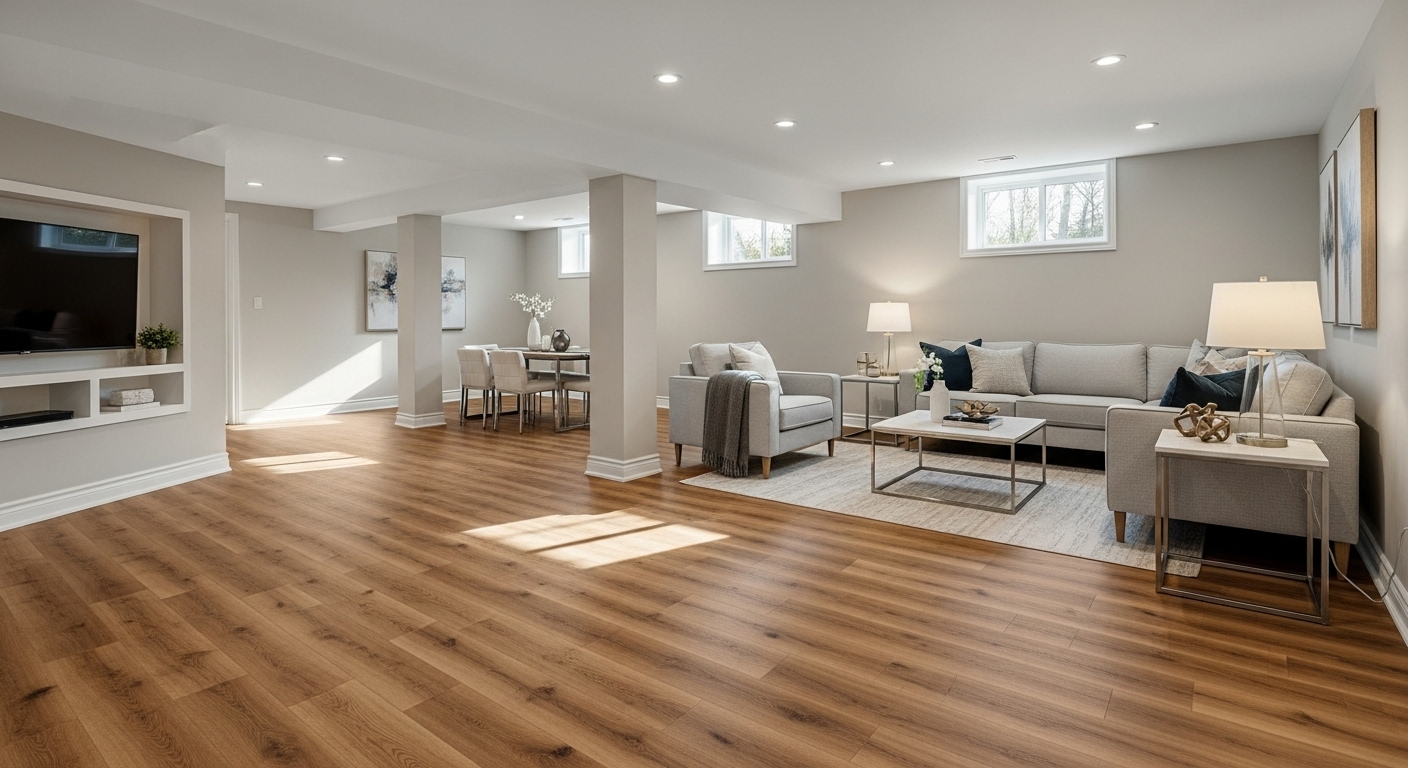
Spring is the season that surprises homeowners the most. London’s clay soil doesn’t drain like sand or gravel. Instead, it holds water—meaning during the thaw and early rains, the water table can rise and push moisture toward the foundation. Even without visible leaks, basements and slabs can experience significant moisture vapor transmission.
The Victims: Traditional laminate and carpet. Older laminate products are especially vulnerable because moisture causes the core to swell, leading to bubbling, edge lift, and delamination. Carpet can be just as risky in basements because it can trap moisture in padding and create the classic “musty basement” smell—plus mold risk if conditions persist.
The 2026 Solution: Inorganic, vapor-resistant floors. For basements, slab-on-grade rooms, laundry areas, and any space where spring moisture is a concern, modern SPC (Stone Plastic Composite) vinyl has become a go-to choice. It doesn’t absorb water, it resists mold, and it acts as a shield against vapor when paired with the correct underlayment system.
In other words: in the places London homes get damp, your floor should be built from materials that don’t care.
3) The Summer “Swelling” (July – August)

London summers are humid. That humidity drives expansion in many flooring materials—especially wood and wood-based products. Even if your home is air conditioned, humidity spikes can still happen, particularly in older homes, homes with sunrooms, or homes with large open-concept layouts where temperature zones vary.
The Victim: Any floor installed without proper expansion gaps. This is the biggest “installer mistake” we see in four-season climates. If your installer tight-fits the planks to the walls and skips a proper expansion gap, your flooring has nowhere to move. When humidity rises, pressure builds, and you can get tenting (lifting), buckling, or seam stress over time.
The 2026 Solution: Climate-appropriate installation standards. The best material in the world can still fail if it’s installed like London is a mild, stable climate. It’s not—and floors must be installed like we live where we actually live.
Part 2: Top Flooring Material Recommendations for 2026
So what materials actually win in London’s four-season cycle? In 2026, three categories dominate because they address the climate killers directly: engineered hardwood, SPC vinyl (Luxury Vinyl Plank), and porcelain tile.
1) Engineered Hardwood: The Professional’s Choice
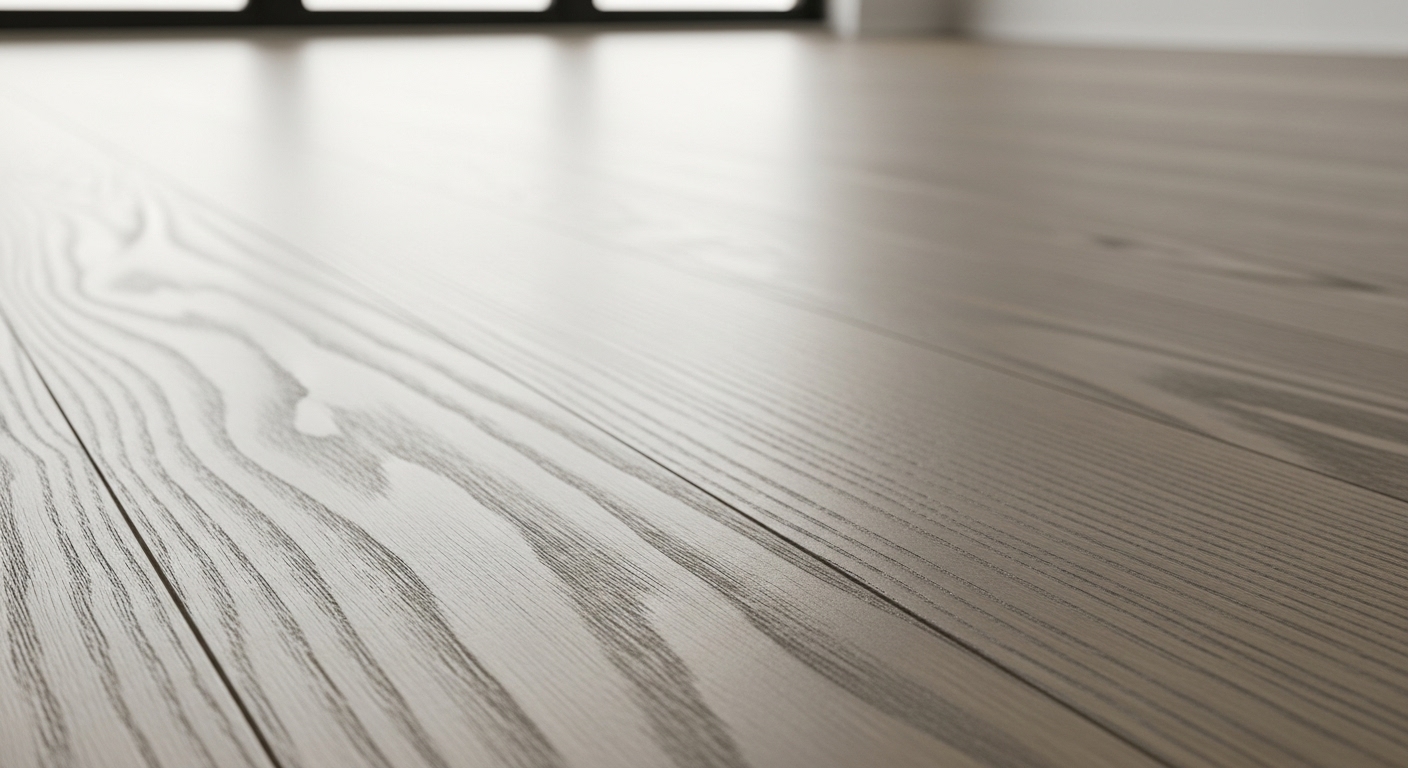
In 2026, engineered wood is no longer viewed as a “fake” alternative to solid hardwood. It is widely considered the superior choice for Ontario homes because it’s built to handle expansion and contraction without sacrificing the beauty of real wood.
The science: Engineered hardwood bonds a real wood veneer to a stable multi-ply or HDF core. Because the core layers run in alternating directions, the floor resists the seasonal movement that causes gapping in winter and swelling in summer.
The London advantage: Engineered hardwood is ideal for main floors and upper levels where homeowners want warmth and resale appeal, but don’t want to constantly worry about seasonal gaps or movement.
Local aesthetic trends we’re seeing: White Oak and Hickory remain top choices in 2026, especially with wire-brushed or textured finishes. These finishes aren’t just trendy—they’re practical. They hide the micro-scratches and grit that come from London winters far better than smooth, high-gloss dark floors.
2) Luxury Vinyl Plank (LVP/SPC): The “Bulletproof” Option
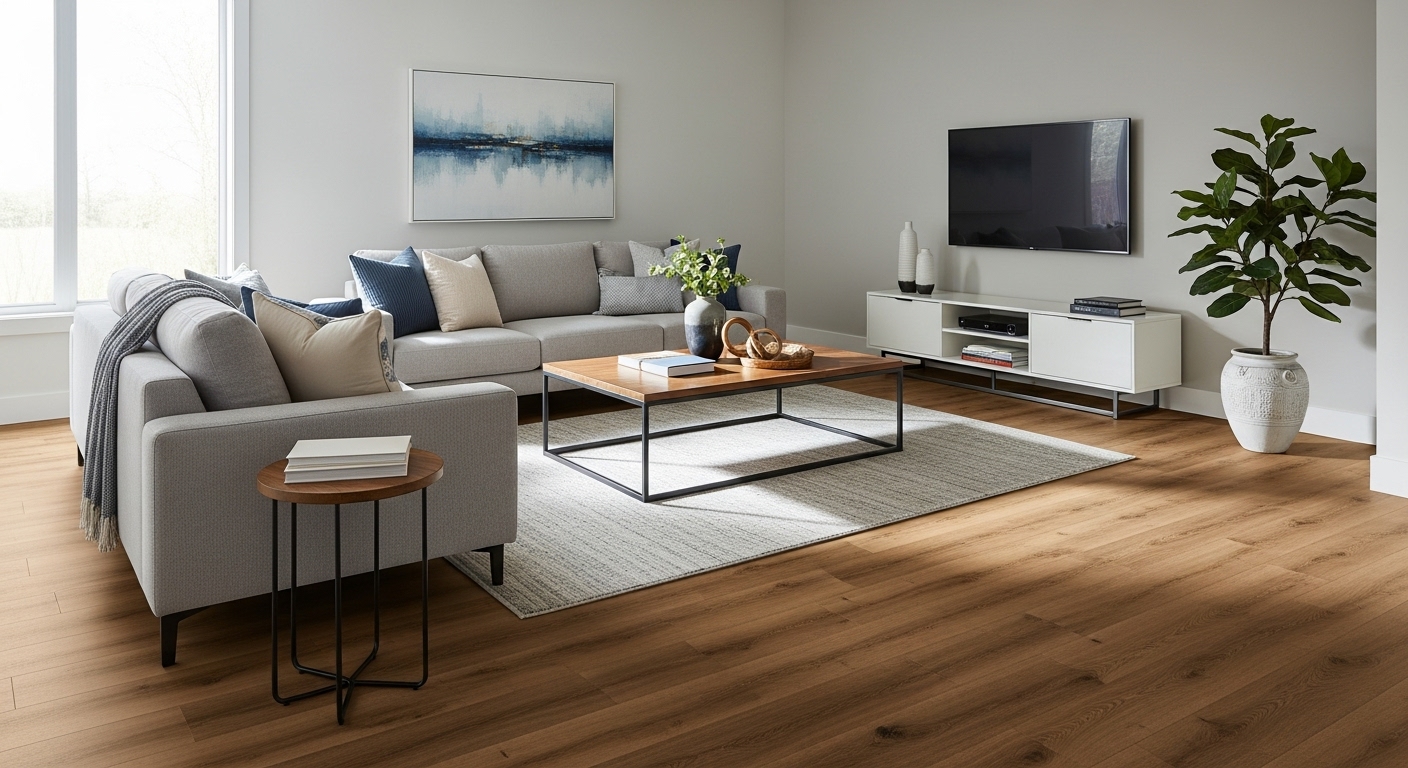
If your number-one goal is worry-free durability, SPC luxury vinyl plank is the modern workhorse. In 2026, high-quality LVP looks and feels more realistic than ever thanks to Embossed-in-Register (EIR) technology, where the texture aligns with the printed grain. The result is a floor that can mimic wood convincingly—without wood’s moisture sensitivity.
Why it wins in London: LVP is especially strong in places where moisture is unpredictable: basements, entryways, kitchens, rental units, and family homes with heavy traffic. A quality SPC floor can handle spills, wet boots, pet accidents, and seasonal humidity without swelling or warping.
Important 2026 note: Not all vinyl is equal. London homeowners should prioritize a dense SPC core, a reputable wear layer, and a locking system designed to resist seam separation. Pair it with the correct underlayment and moisture strategy, and it becomes one of the most reliable options for the Forest City.
3) Porcelain Tile: The Ultimate Mudroom Defense
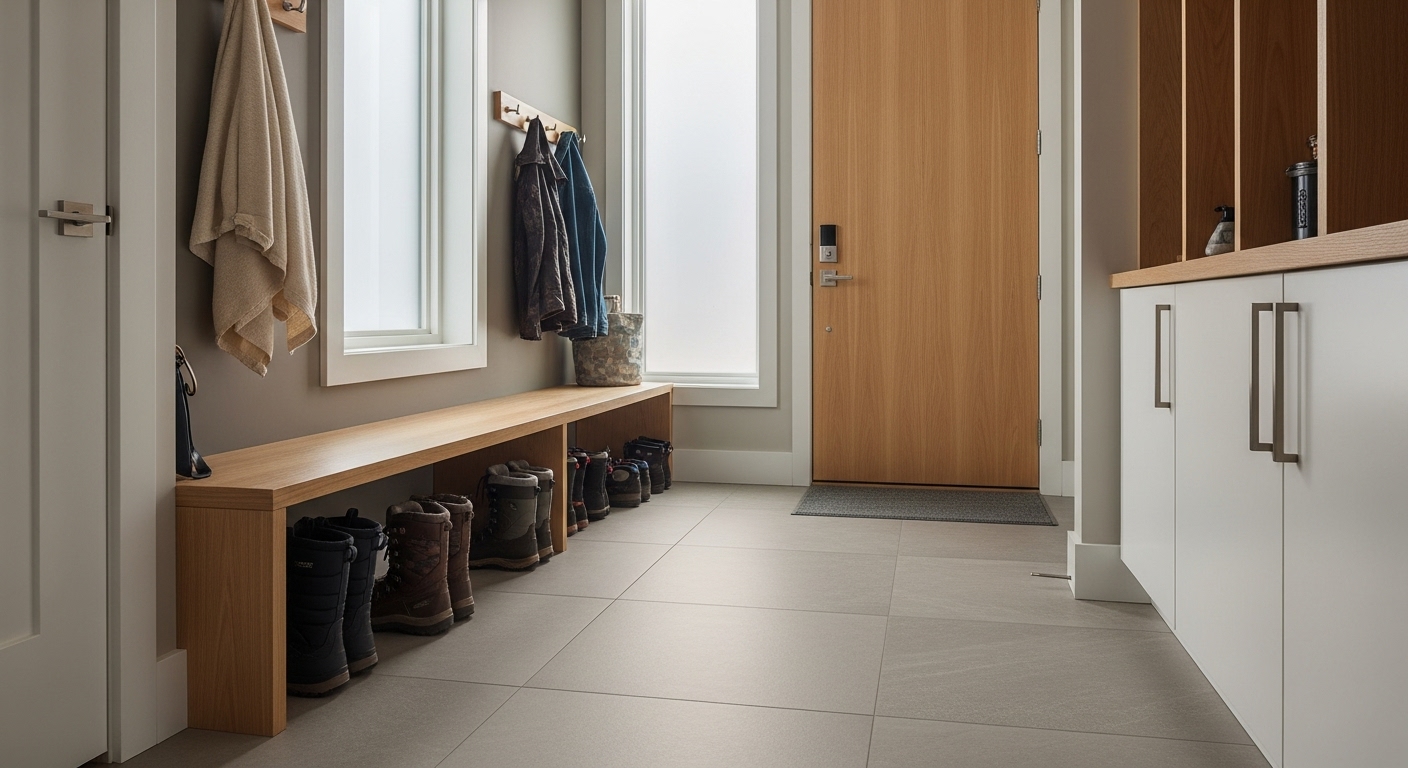
Every London home needs a “buffer zone.” Whether you live in a newer build or a classic neighborhood home, your entryway and mudroom take a beating from salt, slush, mud, and grit.
Porcelain tile is the ultimate defense because it’s non-porous, dense, and extremely resistant to scratching and staining. When properly installed, tile becomes a long-term, low-maintenance surface that can handle years of winter abuse without showing wear.
2026 trend: Large-format porcelain (like 24”x48”) is growing fast. Fewer grout lines means fewer places for salt and dirt to hide. It also creates a clean, modern look that works beautifully in contemporary homes and renovations.
Part 3: Neighborhood-Specific Flooring Strategies
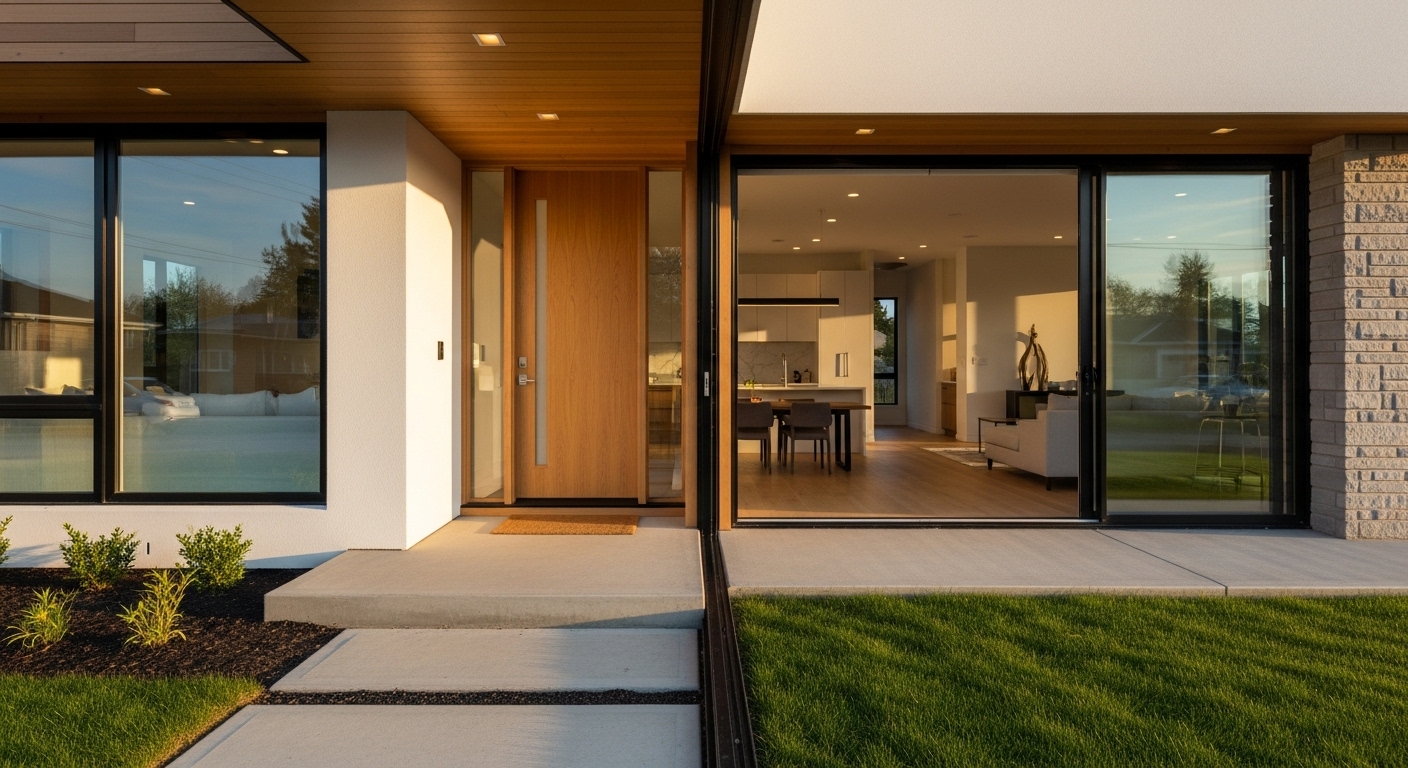
Not all flooring London needs are the same. Your location in the city—and the style and age of your home—changes which priorities matter most. Here are practical strategies we often recommend based on real-world London housing stock.
Old South & Woodfield (Heritage Homes)
Heritage homes are beautiful, but they often come with realities like older subfloors, minor foundation shifts, and uneven surfaces. You want a floor that can look premium without demanding a perfectly flat “new build” substrate.
Recommended: Engineered hardwood, or high-quality laminate with a thick underlayment to help smooth minor imperfections.
Byron & Oakridge (Family Hubs)
In these family-focused neighborhoods, durability is king. Kids, pets, sports gear, and constant traffic put floors under more stress than any showroom test can replicate.
Recommended: Waterproof SPC vinyl (LVP).
Masonville & Sunningdale (Modern Luxury)
Open-concept spaces demand materials that look cohesive across larger footprints. Visual flow matters—but so does seasonal stability across wide rooms.
Recommended: Wide-plank engineered oak paired with large-format porcelain for wet zones.
Part 4: The 2026 Installation Standards (Four-Season Protocol)
A floor is only as good as its installation—especially in London’s volatile climate. These installation standards are designed specifically for four-season performance.
1) Acclimation
Materials must sit in the home for 48–72 hours (or longer when required) to adjust to the temperature and humidity of the actual space.
2) Moisture Testing
Concrete moisture levels and subfloor conditions should be tested before installation—especially in basements and slab areas.
3) Proper Expansion Gaps
Never tight-fit a floor. Expansion space is engineered into the system to prevent tenting, buckling, and seam stress.
4) Premium Underlayment & Protection
Use underlayments designed for the application, including moisture and antimicrobial strategies where needed.
Conclusion: Investing in Your Forest City Home
Choosing the right flooring in London is about balancing the beauty of your interior with the reality of our exterior. When you respect the four-season cycle—winter dry-out, spring moisture pressure, and summer swelling—you stop treating flooring as décor and start treating it as infrastructure.
In 2026, the best-performing homes in London are the ones using climate-appropriate materials: engineered hardwood for warmth and stability, SPC vinyl for waterproof resilience, and porcelain tile for permanent durability in high-impact zones.
If you want a floor that won’t become a maintenance nightmare, the strategy is simple: choose materials built for London, and install them with standards built for London.
Visit Our London, Ontario Showroom
Whether you’re planning a full renovation or choosing flooring for a single room, our team can help you select the right material for your home’s conditions, layout, and lifestyle.
Our Showroom:
35 Beechmount Crescent, London Ontario N6E 2J2
Call Us: +1 226 224 67 30
Explore more at zaktiles.com.